
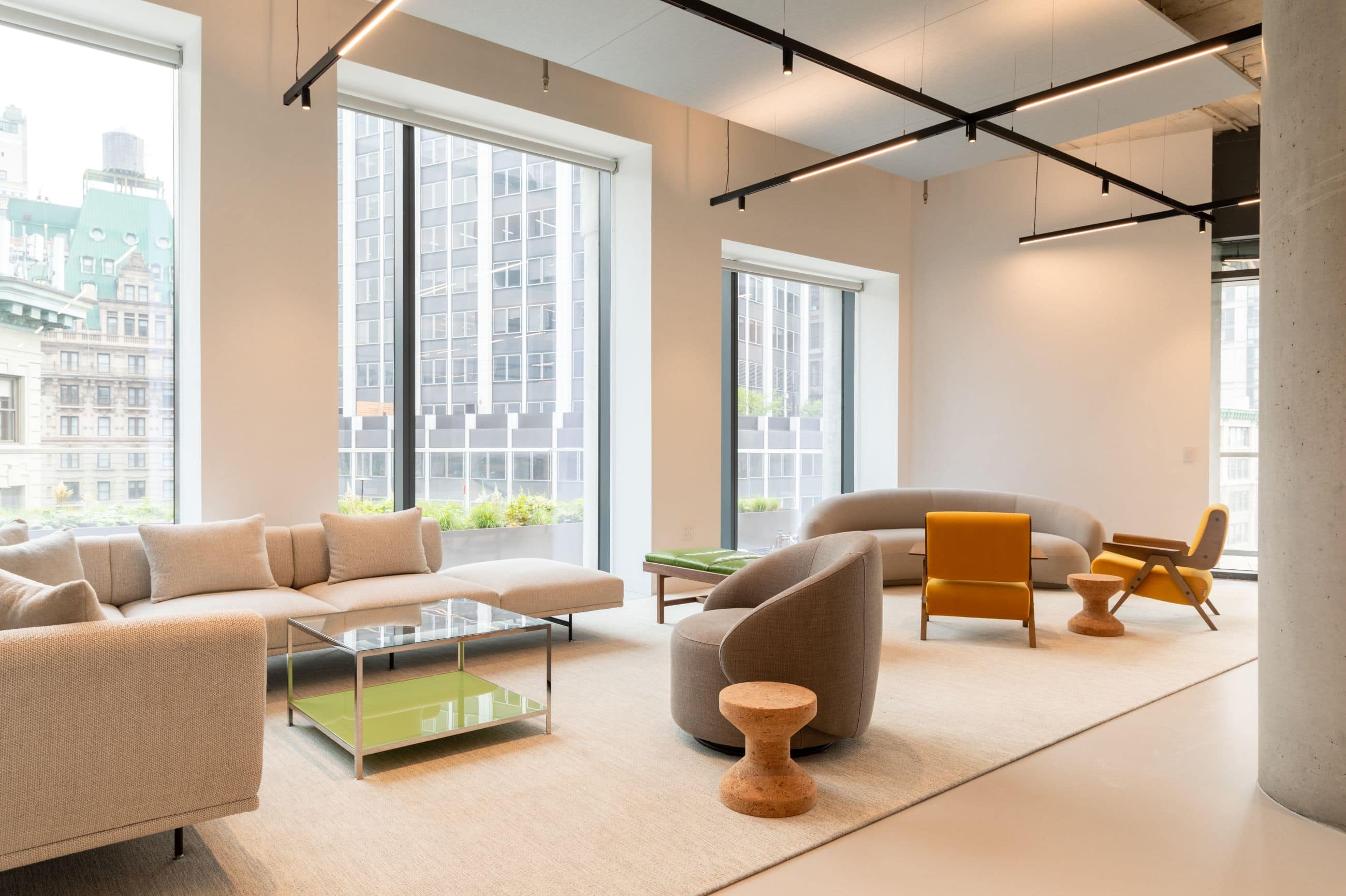
You walk into a space and it’s awkward. Or you open a website and instinctively close the tab. Or you scroll through a brand’s Instagram feed and, somehow, it just doesn’t stick. You can’t always explain why. You just feel it.
That’s the quiet power of ESAC Design. When it’s good, it disappears. When it’s bad, it lingers.
Table of Contents
The Shift From Decoration to Strategy
There was a time when ESAC Design sat at the end of the production line. Product built? Great. Now make it look good. Website coded? Fine. Add some visuals.
That mindset doesn’t survive in today’s market.
Design now shapes perception before a single word is read. It signals credibility before a product is tested. It quietly communicates whether a brand understands its audience — or not.
You might not know this, but studies consistently show that users form opinions about a website in under a second. Under a second. That means layout, spacing, typography, color — all those details most people can’t articulate — are doing heavy psychological lifting.
Where Many Brands Go Wrong
Imagine driving traffic to a website that confuses visitors. Or spending thousands on paid ads only to land users on a page that doesn’t visually align with the brand promise in the ad.
That disconnect? It quietly erodes trust.
Design consistency builds recognition. Recognition builds familiarity. And familiarity builds trust. It’s not glamorous work, but it’s incredibly powerful.
I remember speaking with a startup founder who admitted their brand identity had evolved “organically.” Which was a polite way of saying it had grown without structure. Different fonts across platforms. Slightly different logos depending on who created the file. Inconsistent color tones.
Nothing dramatic. Just subtle fragmentation.
When they finally partnered with a dedicated ESAC Design team — one that approached visual identity as a system rather than a collection of assets — everything tightened up. Conversion rates improved. Investor decks felt sharper. Even internal morale shifted because the team felt aligned around something cohesive.
What struck me wasn’t flashy self-promotion, but the way clients described the collaboration. Words like “clarity,” “structure,” “intentionality.” Those aren’t aesthetic buzzwords — they’re strategic outcomes.
The Psychology Behind Good Design
Let’s step back for a second.
Why does design matter so much? Why does spacing or typography influence decision-making?
It comes down to cognitive load.
Good design removes friction quietly. It guides the eye. It creates rhythm. It signals importance without shouting.
And here’s the interesting part: users rarely compliment “great alignment” or “excellent white space.” They just say, “This feels professional.” Or, “This seems trustworthy.”
That emotional reaction is the real metric..
Brand refresh done? Check. Website redesigned? Move on.
But strong brands evolve. Markets shift. Audience expectations change. Platforms update. Design isn’t static — it’s iterative.
The Emotional Layer We Don’t Talk About Enough
There’s another side to design that’s harder to quantify.
Chances are, their design plays a role in that attachment. Maybe it’s the tone of their visuals. The warmth of their photography. The calm clarity of their website. The bold confidence of their packaging.
I’ve watched small businesses transform after refining their visual presence. Owners become more confident pitching. Teams feel proud sharing content. Customers begin engaging more deeply.
It’s not vanity. It’s alignment.
Why the Future Belongs to Design-Led Brands
In crowded markets, functional parity is common. Many products perform similarly. What differentiates them is perception — and perception is shaped visually first.
Companies that invest in thoughtful, research-backed design position themselves differently. They communicate maturity. Intent. Professionalism.
They also adapt faster because their brand systems are built with structure.
It’s not about aesthetics for aesthetics’ sake. It’s about clarity, cohesion, and strategic storytelling.
A Final Thought
Well, here’s the thing.
Design is one of those forces that works quietly in the background. When it’s done right, you barely notice it — you just feel comfortable, confident, understood.
And in business, being understood is everything.
Whether you’re launching a startup, scaling an established company, or simply trying to refine how the world sees you, design deserves a seat at the strategy table. Not as decoration. Not as an afterthought. But as a foundational pillar.
Because in the end, people don’t just remember what you said.