


As pet owners increasingly seek natural alternatives for their feline companions’ health concerns, cannabidiol has emerged as a topic of significant interest. This hemp-derived compound offers potential therapeutic benefits without the psychoactive effects associated with marijuana, making it an appealing option for cat parents exploring holistic wellness approaches.
The growing popularity of hemp-based supplements for pets has sparked extensive research into their safety and efficacy. While scientific studies specifically focused on felines remain limited compared to canine research, recent investigations have provided valuable insights into how these natural compounds interact with our cats’ unique physiology.
Table of Contents
Understanding Cannabidiol and the Feline Endocannabinoid System
Cannabidiol works by interacting with the endocannabinoid system, a complex network of receptors found throughout mammals’ bodies, including cats. This system plays a crucial role in regulating various physiological processes such as pain perception, mood, inflammation response, and immune function.
Recent research has revealed that cats possess CB1 and CB2 receptors similar to other mammals, though their distribution and sensitivity may differ. The endocannabinoid system in felines helps maintain homeostasis, which explains why hemp-derived supplements might offer therapeutic potential for various health conditions.
Unlike tetrahydrocannabinol (THC), cannabidiol does not produce intoxicating effects. This distinction is particularly important for cats, as they are more sensitive to THC than dogs and can experience severe adverse reactions to marijuana products. Quality hemp products for pets contain less than 0.3% THC, ensuring safety while providing potential therapeutic benefits.
Potential Health Benefits for Cats
Current research suggests that CBD Oil for Cats may offer several therapeutic applications, though more feline-specific studies are needed to fully understand its efficacy. Pet owners have reported improvements in various conditions when using these natural supplements under veterinary guidance.
Pain management represents one of the most promising applications. Cannabidiol’s interaction with pain receptors may help cats suffering from arthritis, chronic pain conditions, or post-surgical discomfort. The anti-inflammatory properties of hemp-derived compounds could potentially reduce swelling and provide relief for cats with joint issues or inflammatory conditions.
Anxiety and stress reduction constitute another area of interest. Cats experiencing separation anxiety, travel stress, or behavioral issues related to environmental changes might benefit from the calming effects of cannabidiol. Some recent studies have explored how these compounds affect feline stress responses, with preliminary results showing promise for anxiety management.
Seizure control has shown potential in canine studies, leading researchers to investigate similar applications in cats. While more research is needed, some veterinarians have observed positive outcomes when using hemp-based supplements as part of comprehensive seizure management protocols in felines.
Safety Considerations and Scientific Research
Recent scientific validation has provided encouraging data regarding the safety profile of cannabidiol in companion animals. A 2024 study published in Frontiers in Veterinary Science demonstrated that healthy cats tolerate long-term daily supplementation well, with researchers administering a 4 mg/kg dose over six months without significant adverse effects.
The bioavailability and safety profile of hemp-derived supplements appear favorable in cats, with few side effects reported at physiological doses. However, cat owners should remain vigilant for potential signs of sensitivity, including increased sleepiness, impaired coordination, or unusual behavioral changes.
Liver function monitoring has become an important consideration, as some studies have noted changes in liver enzymes with cannabidiol use. This emphasizes the importance of veterinary supervision and regular health monitoring when introducing any new supplement to your cat’s routine.
Proper Dosing and Administration Guidelines
Determining the appropriate dosage for CBD Oil for Cats requires careful consideration of individual factors including weight, age, health status, and the specific condition being addressed. Veterinary experts generally recommend starting with conservative doses and gradually adjusting based on response.
Current guidelines suggest an initial dose of 1-5 mg per 10 pounds of body weight, typically divided into twice-daily administrations. For a 10-pound cat, this translates to approximately 1-5 mg daily, split between morning and evening doses. However, these recommendations should always be confirmed with a veterinarian familiar with your cat’s health history.
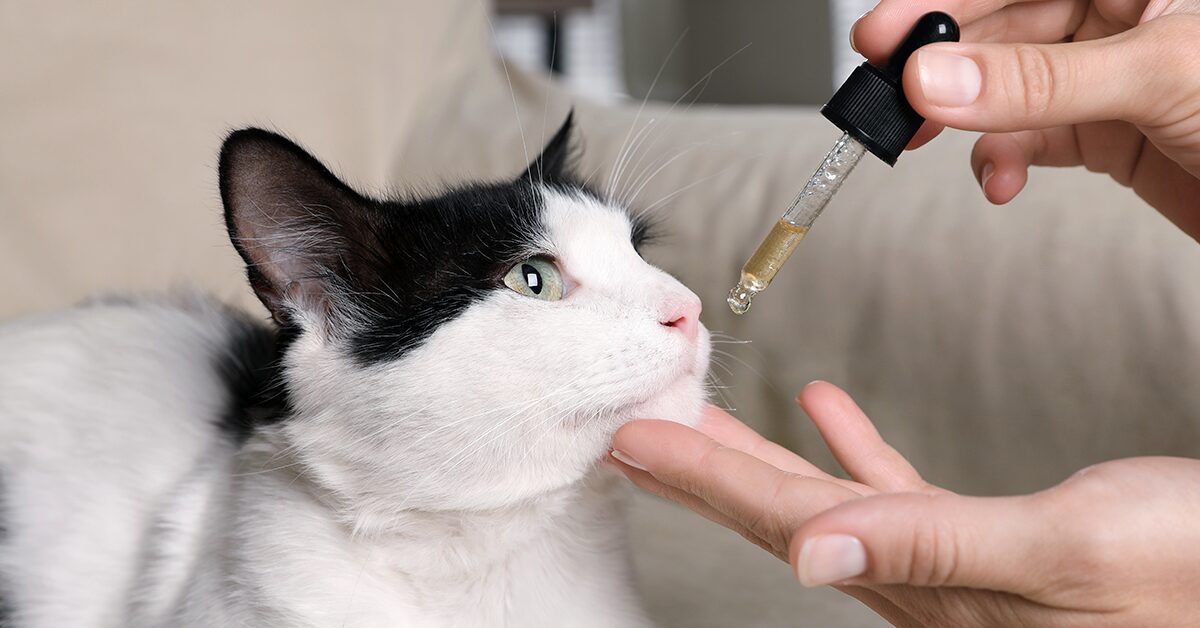
Administration methods vary, with tinctures often preferred due to their precise dosing capabilities and better absorption rates. These oil-based solutions can be administered directly into the mouth or mixed with food, depending on your cat’s preferences and tolerance.
Starting with the lowest effective dose and monitoring your cat’s response over several days or weeks allows for proper assessment of benefits and potential side effects. Some cats may require higher doses for chronic conditions, while others respond well to minimal amounts.
Choosing Quality Products and Working with Veterinarians
The pet supplement market lacks standardized regulations, making product selection crucial for safety and efficacy. High-quality CBD Oil for Cats should come from reputable manufacturers who provide third-party testing results, clear ingredient lists, and appropriate concentration information.
Look for products specifically formulated for cats, as felines have unique metabolic requirements that differ from dogs and humans. THC-free options are essential, as cats are particularly sensitive to this compound. Organic, pesticide-free hemp sources and CO2 extraction methods typically indicate higher quality products.
Veterinary consultation remains paramount before introducing any new supplement to your cat’s health regimen. Many veterinarians are becoming more knowledgeable about cannabinoid therapies and can provide guidance based on your cat’s specific health needs and current medications.
Professional oversight is particularly important for cats with existing health conditions or those taking other medications, as potential interactions could occur. Your veterinarian can help monitor your cat’s response and adjust dosing protocols as needed.
The Future of Hemp-Based Supplements for Cats
As research continues to expand, our understanding of how cannabidiol affects feline health will likely improve significantly. Current studies are investigating specific applications for various cat health conditions, with promising preliminary results in areas such as pain management, anxiety reduction, and inflammatory conditions.
The regulatory landscape is also evolving, with organizations working toward establishing standardized guidelines for pet hemp products. These developments should lead to better quality control, clearer dosing recommendations, and increased veterinary acceptance of these natural supplements.
Pet owners considering these natural alternatives should stay informed about emerging research while maintaining realistic expectations about potential benefits. While many cats may experience positive effects from hemp-derived supplements, individual responses can vary significantly.
Conclusion
Hemp-derived supplements represent an intriguing frontier in feline wellness, offering potential benefits for various health conditions while maintaining a favorable safety profile when used appropriately. The growing body of research supporting cannabidiol’s therapeutic applications in companion animals provides encouragement for cat owners seeking natural health solutions.
Success with these natural supplements requires careful product selection, appropriate dosing, and professional veterinary guidance. By working closely with knowledgeable veterinarians and choosing high-quality products, cat owners can explore whether CBD Oil for Cats might benefit their feline companions’ health and wellbeing.
As scientific understanding continues to advance, these hemp-based supplements may become increasingly valuable tools in comprehensive feline healthcare, offering natural support for our beloved cats’ comfort and quality of life throughout their golden years and beyond.